
Radiofrequency Ablation (RFA) is gaining attention as a safe, effective, and less invasive alternative to surgery. Whether it’s cancer treatment, pain relief, or managing vein problems, RFA is transforming patient care with quicker recovery and fewer complications.
⚡ What is RFA?
RFA is a minimally invasive procedure that uses radiofrequency energy (heat) to destroy abnormal or diseased tissue.
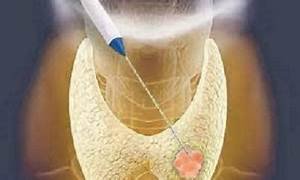
- A thin needle or probe is inserted into the target area.
- Radio waves create heat at the tip.
- The heat destroys or shrinks the unwanted tissue—without open surgery.
🎯 Where is RFA Used?
RFA is versatile and used across multiple specialties:
- 🩸 Cancer treatment: Destroys tumors in liver, kidney, lung, and bone.
- 🦵 Vascular: Closes varicose veins safely and effectively.
- Also routinely used for thyroid non cancerous nodule ablation
🌟 Benefits of RFA
- Minimally invasive, needle-based procedure
- Local anesthesia or sedation or General anaesthesia
- Short hospital stay or outpatient-based
- Quick recovery (usually within 1–3 days)
- Less pain and fewer complications than surgery
⚠️ Risks to Know
Like any procedure, RFA has some risks—though rare:
- Mild pain, swelling, or bruising at the site
- Rarely bleeding or infection
- May not be suitable for large or multiple tumors
⏳ Recovery After RFA
- Most patients resume daily activities in 24–72 hours
- Light pain or fatigue may occur but resolves quickly
- Regular follow-up imaging ensures the treatment’s success
💡 Summary
Radiofrequency Ablation (RFA) is a modern, safe, and highly effective treatment option that blends precision with minimal invasiveness. With its wide range of applications and quick recovery time, RFA continues to revolutionize modern medicine.